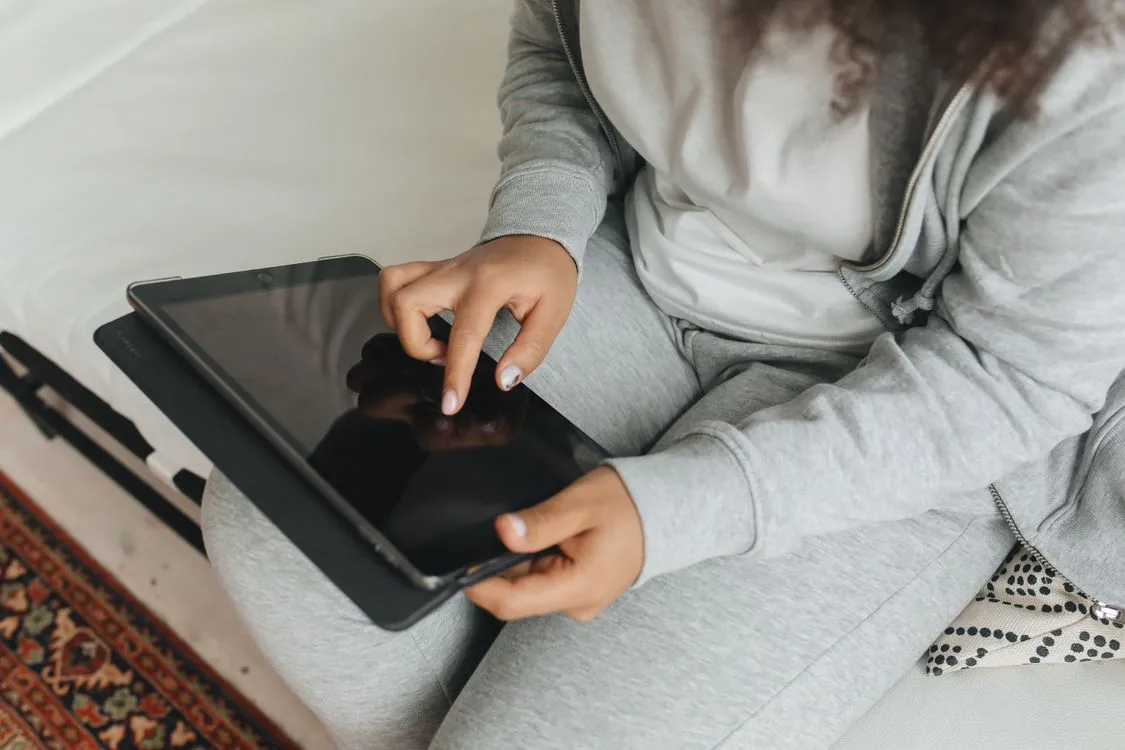
Shopping is becoming more digital in 2026, and iPads are playing a bigger role in how people research, compare, buy, and pay for products. The larger screen makes browsing easier than on a phone, while the portability makes it more convenient than a laptop.
Consumers now use iPads at home, in stores, while traveling, and in resorts to make better purchasing decisions. Retailers, hotels, and casino resorts are also using tablets to improve ordering, bookings, loyalty programs, and guest convenience.
Product Research Is Easier on a Larger Screen
One of the biggest advantages of shopping on an iPad is the screen size. Consumers can compare products, read reviews, view images, and check specifications more comfortably.
This is useful for bigger purchases such as appliances, furniture, electronics, travel gear, and fashion. A phone can feel cramped when comparing several options, while an iPad gives more room to view details side by side.
Shoppers can also watch product videos, open size charts, check return policies, and read customer feedback without switching devices. This makes research feel more organized and less rushed.
Virtual Try-Ons Are Becoming More Common
Virtual try-on tools are improving in 2026. Many retail apps now use augmented reality to help shoppers preview products before buying.
Customers can see how glasses, makeup, shoes, clothing, or accessories might look. Furniture apps can place a sofa, lamp, or table inside a real room through the iPad camera.
This reduces uncertainty. Online shopping is convenient, but it can be hard to judge size, color, and fit through photos alone. Virtual try-ons give shoppers more confidence before checkout.
For retailers, this can also reduce returns because customers have a clearer idea of what they are buying.
Online Shopping Feels More Comfortable
The iPad works well for online shopping because it combines comfort with mobility. You can browse from the couch, compare prices at a table, or review orders while traveling.
Retail apps are becoming faster and cleaner. Search tools, filters, saved carts, wish lists, and personalized recommendations help shoppers move through options quickly.
Payment systems are also easier. Shoppers can use digital wallets, stored cards, biometric approval, and secure checkout tools. This makes buying faster while still keeping account protection in place.
The best shopping apps in 2026 focus on fewer steps. Customers want to find the product, understand the details, and complete the purchase without confusion.
In-Store Shopping Is Becoming More Digital
iPads are not only useful for online shopping. Retailers also use tablets inside physical stores.
Staff can check stock, show product options, process orders, and help customers find sizes or colors. If an item is unavailable in-store, the employee can order it for home delivery or pickup.
Some stores use tablets as self-service stations. Customers can browse extended catalogs, scan items, compare features, or join loyalty programs.
This connects online and in-store shopping more smoothly. Customers get the benefit of seeing products in person while still accessing digital tools.
Payments Are Faster and More Flexible
Digital payments are now a normal part of shopping. iPads can support mobile checkout, tap-to-pay systems, digital wallets, receipts, and order tracking.
For consumers, this means fewer delays and clearer records. For businesses, tablet-based payment systems can reduce long lines and improve service speed.
Small businesses also benefit because tablets can function as flexible point-of-sale systems. A vendor, boutique, café, or pop-up shop can accept payments without needing a traditional register.
As payment systems improve, shoppers are becoming more comfortable with secure, cashless options.
Casino Resorts Use Tablets for Guest Convenience
Casino resorts are strong examples of how tablet-based systems improve customer experience. These large properties often include hotels, restaurants, shops, gaming areas, theaters, pools, lounges, and loyalty programs.
Tablets can help guests order room service, book restaurants, view show schedules, check resort maps, and manage rewards. This reduces the need to call the front desk or stand in line for basic requests.
In restaurants and lounges, tablet ordering can help guests browse menus, customize meals, and send orders directly to the kitchen. In hotel rooms, tablets can connect guests to housekeeping, maintenance, dining, and concierge support.
Digital entertainment habits also influence expectations. Some users compare platforms such as canada online casino when looking at convenience, access, and online gaming options, while resort guests may use apps and tablets to manage in-person entertainment.
Loyalty Tools Are More Accessible
Retailers and casino resorts both use loyalty programs to keep customers engaged. Tablets and apps make these programs easier to understand.
Shoppers can view points, rewards, offers, purchase history, and personalized deals without needing a physical card. Resort guests can check dining credits, event offers, room benefits, or gaming rewards from one screen.
Shopping Is Becoming More Connected
In 2026, iPads are changing shopping by making product research, virtual try-ons, payments, and loyalty programs easier to manage. Consumers get a more comfortable browsing experience, while retailers gain better tools for service and sales.
Casino resorts show how the same tablet-based approach can improve hospitality. Ordering, bookings, rewards, maps, and entertainment tools all become easier when they are connected through clear digital systems.
The future of shopping and retail is about convenience. iPads help bring that convenience into homes, stores, hotels, and resorts by making every step easier to see, compare, and complete.